
Access Card Systems A Comprehensive Guide
This guide comprehensively covers access card systems, exploring their technology, applications, and security implications.
Research topics
In an increasingly security-conscious world, access card systems have become critical components in safeguarding facilities and managing entry permissions. These systems utilize technology to ensure that only authorized personnel gain access to restricted areas, thereby enhancing physical access controls. This blog post will delve into the components, advantages, and best practices associated with access card systems, including RFID access for staff, swipe cards, and credential-based entry.
What Are Access Card Systems?
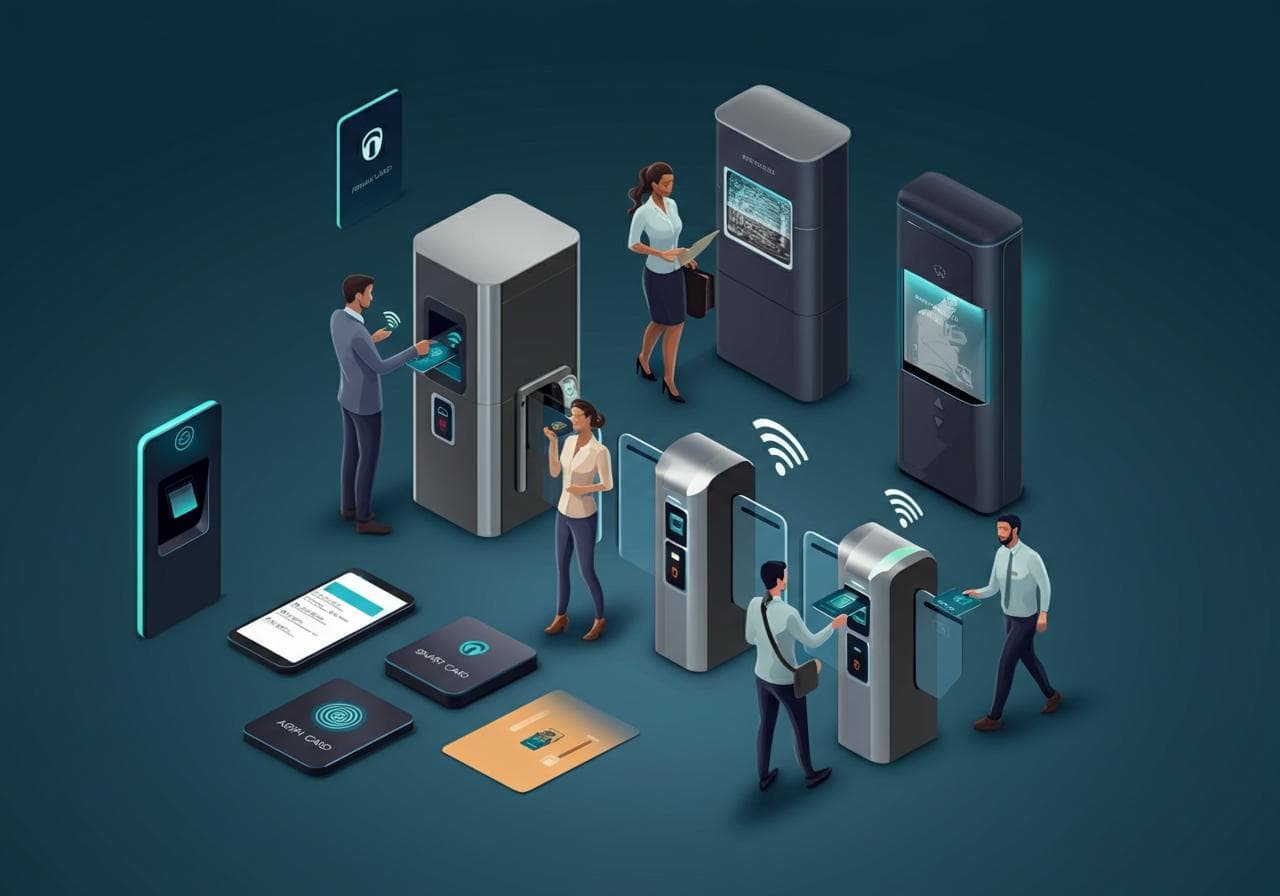
Access card systems are electronic solutions tailored to manage who can enter designated areas within an organization. By employing various types of access cards — such as RFID smart cards or magnetic stripe cards — these systems help different sectors, from commercial buildings to government institutions, secure their premises.
How Access Card Systems Work
Access card systems are built upon three foundational elements: the access card, the card reader, and the control software. The access card contains embedded information required to authenticate the user. This information could be RFID technology or magnetic stripes, which, when swiped through a reader, transmit data to the control software, determining entry permissions.
Radio Frequency Identification (RFID) technology has revolutionized access card systems. RFID access for staff often includes cards that communicate wirelessly with sensors, providing a seamless and secure way to grant entry. RFID-enabled systems can read cards from a distance, allowing for quick entry while also maintaining high security standards.
Access cards can come in various forms:
- Swipe Cards: These cards use a magnetic strip that users can swipe through a card reader. Swipe cards are versatile and commonly used across numerous facilities.
- Proximity Cards: Using RFID technology, proximity cards only need to be held near the reader, making access easy and efficient.
- Smart Cards: Equipped with microprocessors, smart cards can store more data and provide enhanced security measures.
Credential-Based Entry
Credential-based entry is a sophisticated method of controlling access wherein users must present their authorized credentials — be it an access card, biometric data, or both — to gain entry. This multifactor approach enhances security and minimizes the risk of unauthorized access.
The integration of biometrics with access card systems provides an additional layer of security. By combining physical characteristics like fingerprints or facial recognition with access cards, organizations can ensure more robust biometric identification. This multi-layered approach addresses both false entry concerns and ensures that only the legitimate cardholder can access sensitive areas.
Benefits of Access Card Systems
Implementing access card systems presents numerous benefits that go beyond mere security:
- Improved Security: By establishing controlled entries, organizations can protect sensitive data and physical assets.
- Efficient Monitoring: Access card systems allow for real-time monitoring of who enters and exits a location, providing valuable insights.
- Flexibility: Organizations can easily update or revoke entry permissions, ensuring that only authorized personnel have access to specific areas.
- Reduced Costs: Digital management of access can minimize manpower costs associated with physical security and ID checks.
Managing entry permissions effectively is crucial for maintaining a secure environment. Most access card systems come equipped with centralized software that allows administrators to define and manage who has access to which areas, making it straightforward to adapt to changing security needs. This software can also provide detailed reports, aiding in audits and compliance matters.
Implementing Access Card Systems
Implementing an access card system involves several steps:
Government Usage of Access Card Systems
Access card systems are crucial in government settings — particularly concerning security clearances. For military personnel, the Common Access Card (CAC) serves as both an identification and authentication tool. With features like multifactor authentication and an embedded microchip, CAC ensures that sensitive government facilities maintain high levels of security.
Navigating military identification systems can be complex; however, resources like Military OneSource offer clear guidance on understanding CAC cards and military ID requirements. Ensuring that all military staff are adequately equipped with the right access cards is vital for maintaining security protocols.
Challenges of Access Card Systems
Just like any technology, there are challenges associated with implementing access card systems:
- Technical Issues: Malfunctions can occur, leading to accessibility disruptions.
- Card Loss or Theft: If cards are lost or stolen, organizations must act swiftly to ensure security isn't compromised.
- Employee Compliance: It’s crucial for staff to adhere to security protocols associated with the use of access cards.
Conclusion
The landscape of security management continues to evolve, making access card systems a pivotal component of comprehensive physical access controls. From RFID access for staff to credential-based entry, organizations can establish a secure environment that effectively protects their assets. Understanding and implementing the right components of access card systems will undoubtedly provide long-term benefits and enhanced security.
Posts Relacionados
2Fa A Simple Guide To Enabling It
This guide offers straightforward instructions for enabling two-factor authentication.

2Fa Tips On Notable Way To Keep Your Accounts Safe Tips
Two-factor authentication (2FA) adds an extra layer of security to your accounts, making it harder for hackers to access them, even if they have your password.

5S Floor Marking For Safety
Floor markings enhance safety and organization, improving efficiency and workplace safety.