
Dictionary Definition Of Fear
This article provides a comprehensive analysis of fear, exploring its various aspects from multiple perspectives.
Research topics
Fear is a complex emotional response that each of us experiences at some point in our lives. This multifaceted feeling has intrigued philosophers, psychologists, and scholars alike throughout history. To fully understand the definition of fear, we must delve into its meaning, implications, and the psychological explanations that accompany this intense emotion.
What Is Fear?
According to various dictionaries, fear is commonly defined as an emotional response to a perceived threat or danger. You can check the precise definitions through Merriam-Webster, Cambridge Dictionary, and Oxford Learner's Dictionaries. Each of these resources offers valuable insights into various interpretations of fear, revealing nuance in how we comprehend it across cultures and contexts.
The Meaning of Fear
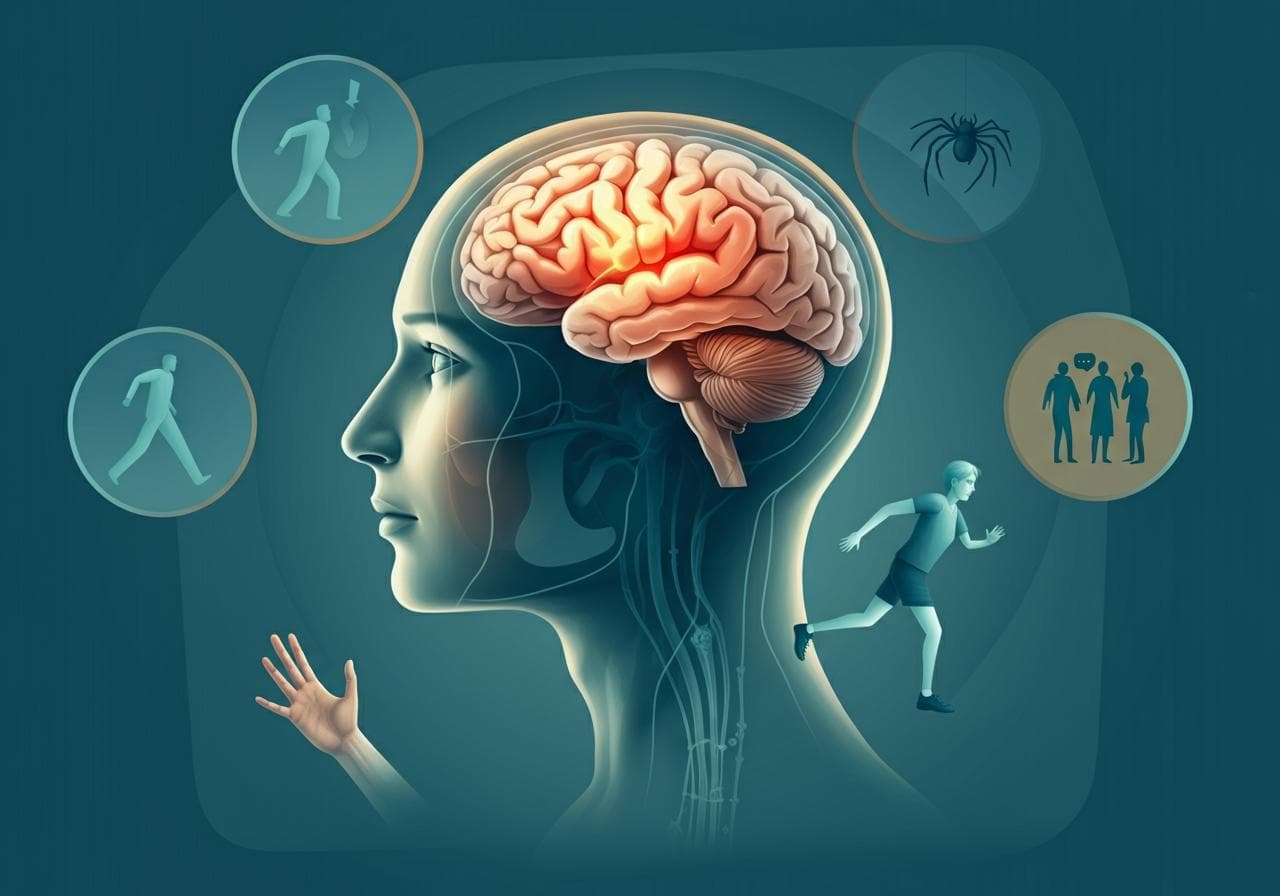
In its essence, the meaning of fear can be identified as an automatic response to threats. It is an instinctive reaction that triggers our body’s fight-or-flight response, ultimately influencing our behavior and decision-making process. But fear is not just a physical sensation; it also encompasses mental and emotional dimensions that often complicate our interactions with it.
A Psychological Explanation of Fear
The psychological explanation of fear can best be understood through the lens of human evolution. Fear has served as a survival mechanism for centuries, protecting us from potential threats. Various psychological theories have tried to dissect this phenomenon. For instance, the James-Lange theory suggests that physiological changes occur first, leading to emotional experiences; whereas the Cannon-Bard theory posits that both physiological responses and emotional experiences occur simultaneously.
Neuroscience has also revealed much about fear's neural underpinnings. The amygdala plays a crucial role in processing fear and signaling appropriate responses, showing that our reaction to fear is deeply seated in our brain's architecture. This understanding helps to demystify how fear is defined, emphasizing that it is not just an emotion but a complex interaction between our physiological state and our environment.
The Emotional Response to Fear
When encountering fear-inducing stimuli, our bodies react in various ways, giving rise to an emotional response to fear that may include anxiety, panic, or dread. These emotional consequences can impact our mental well-being, guiding how we process experiences and make future decisions.
Some common emotional responses encompass:
- Flight: Attempting to escape or avoid the fear-inducing situation.
- Fight: Confronting the source of fear directly.
- Freeze: A temporary state of paralysis in response to a threat.
These responses show that fear is not a singular emotion; it encapsulates a broad spectrum of feelings and reactions that can shape our lives.
Types of Fear
In the realm of psychology and emotional studies, different types of fear emerge, from specific phobias to generalized anxiety. Understanding these layers can aid in addressing issues related to fear. Some examples include:
- Phobias: Intense fears of specific objects or situations such as heights (acrophobia) or spiders (arachnophobia).
- Social Anxiety: Fear of social situations that can lead to embarrassment or scrutiny.
- Generalized Anxiety Disorder (GAD): Chronic fear or worry about multiple aspects of life.
Coping with Fear
Understanding fear is vital in coping with it. Various techniques can be helpful when managing fear, such as:
- Exposure Therapy: Gradually facing the source of fear in a controlled environment.
- Mindfulness and Relaxation Techniques: Practicing meditation, yoga, or breathing exercises to manage responses.
- Cognitive Behavioral Therapy (CBT): Challenging negative thought patterns that contribute to fear.
Overcoming Fear
In our efforts to conquer fear, understanding its definition and meaning becomes essential. Recognizing that fear is a natural human response allows us to acknowledge our feelings without succumbing to them. By confronting fear directly, anyone can learn to navigate its challenges and ultimately thrive.
In conclusion, fear is a universal emotion with significant implications for our interpersonal relationships, mental health, and personal growth. It is essential to comprehend the term in different contexts and seek methods to address it effectively. Being aware of how fear is defined and understood opens doors to personal development and well-being.
Whether you encounter fear in everyday situations or more significant life events, incorporating knowledge from reliable dictionaries and psychological insights can empower you or anyone else dealing with this complex emotion.
Posts Relacionados

5 Hotel Dirty Things
Unclean hotel items endanger guest health. Beware of these potential hazards for a safer stay.

Custom Wristbands
Wristbands are a great way to show your support for a cause or event. They are also a fun and fashionable accessory.

Hey Sunday Or Clean People Which Is Better?
This article compares Hey Sunday and Clean People, evaluating their pros and cons to determine which service is superior.