
Elder Rights Protection Overview
Safeguarding elderly rights involves protecting dignity, autonomy, and well-being. It prevents abuse, neglect, and financial exploitation effectively.
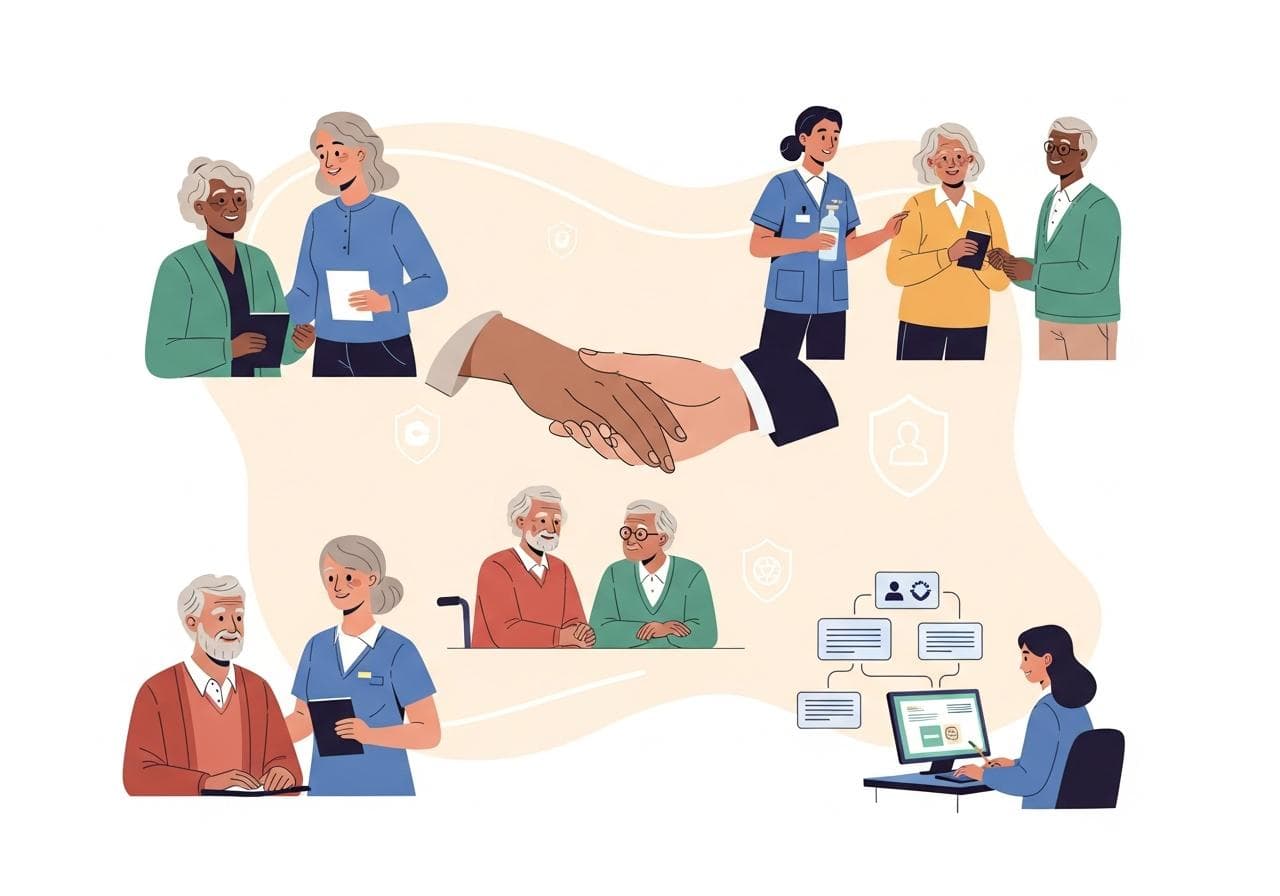
Research topics
As we grow older, we often find ourselves at the mercy of a variety of societal issues, and this includes challenges such as elder abuse, financial exploitation, and even age discrimination. With the aging population rapidly increasing, the need to protect elder rights has never been more pressing. This blog post dives into the painful realities of elder abuse and highlights the tools and paths we can take to safeguard our aging loved ones.
Understanding Elder Abuse
Elder abuse is a term that encompasses various forms of mistreatment inflicted upon older adults. This can include physical harm, emotional distress, and even neglect. Sadly, some vulnerable elderly individuals encounter harmful situations in their own homes or in institutional settings like nursing homes. The harsh reality is that many cases of elder abuse go unreported due to fear, shame, or a lack of awareness. Understanding what elder abuse looks like is a crucial first step toward prevention and support.
The Dark Side: Financial Exploitation
Financial exploitation of elders is a particularly insidious form of abuse, often stemming from fraud or scams. Many older adults have worked their entire lives to save up money for retirement, but fraudulent schemes can wipe out their savings. This might occur through deceptive marketing tactics or unscrupulous individuals posing as caretakers or family members. For elders, the risk of being targeted by such fraud increases as they may face cognitive declines, making them less aware of their financial surroundings.
Tools for Protection
One way families can protect their elderly loved ones is by utilizing tools such as Power Of Attorney, guardianship, and advance directives. These legal instruments can empower trusted individuals to manage financial and medical decisions for those who may not be able to do so due to cognitive impairments or physical limitations. However, it's crucial to select trustworthy individuals to fill these roles, as they have the authority to make pivotal decisions about a person's life.
The Importance of Long-Term Care
When discussing elder rights protection, we must also consider long-term care. Aging adults often face complicated medical and personal care needs that may require professional assistance. It is essential to ensure that these facilities provide a safe and nurturing environment rather than being breeding grounds for nursing home abuse. Families should regularly monitor the care their loved ones are receiving, as neglect can manifest in many forms. It's crucial not to ignore subtle signs of distress or unhappiness.
The Risk of Neglect and Self-neglect
In addition to outright abuse, neglect and self-neglect are serious issues among the elderly population. Neglect could be at the hands of caregivers who may not be adequately trained or are indifferent to the needs of seniors. On the other hand, self-neglect occurs when an elder fails to take care of their own essential needs—such as personal hygiene, nutrition, or medical care—because of cognitive decline or lack of resources. Awareness and intervention are key in alleviating these distressing situations.
Guarding Against Scams
Scams targeting older adults are alarmingly common and take many forms—from phone calls promising lottery winnings to shady investment schemes. Knowledge is powerful when it comes to preventing elder fraud. Being cautious about who is contacted, looking for red flags in conversations, or even seeking advice from family or financial advisors can go a long way. Websites like the Department of Justice Elder Justice offer valuable resources and tips for spotting and avoiding scams.
Understanding Age Discrimination
Aging should not come with the burden of age discrimination. Older adults often find themselves excluded from job opportunities, insurance coverage, and even social events simply because of their age. This prejudicial mindset not only harms the dignity of elders but also diminishes their contributions to society. Societal change will require us to challenge these stereotypes and advocate for equal treatment.
Legal Framework and Advocacy
In various states, there are legal measures aimed at protecting elder rights. Laws regulating nursing homes and mandates for reporting elder abuse provide a framework for accountability. Furthermore, healthcare policies should focus on the welfare of older adults, which can be bolstered through advocacy groups. The Health and Human Services Elder Justice initiative is a valuable resource that not only aids in reporting elder abuse but also provides education about the rights of older adults.
Community Support and Resources
Communities play a pivotal role in supporting the well-being of older citizens. Local organizations and senior centers can promote social interaction and provide resources to help combat social isolation. Programs designed to educate families on spotting elder abuse or financial exploitation can serve as preventive measures. Engaging with such resources can make a substantial difference in the lives of elderly individuals and give families the confidence to act if abuse is suspected.
The Role of Family and Friends
Family members and friends often serve as the first line of defense against elder abuse. Regular conversations and check-ins can help loved ones maintain an awareness of their elder’s situation. Encouraging open discussions about elder rights and exploitation can empower both the elder and their support system. Additionally, being vigilant about warning signs—such as sudden financial difficulties—can help catch potential scams or abuse early on.
The Future of Elder Rights Protection
As society continues to evolve, the fight for elder rights must remain a priority. We need to ensure that all elders are treated with dignity and respect, regardless of age. Addressing issues of fraud, scams, and systemic neglect requires advocacy and comprehensive policy response. We must advance into the future with a mindset that respects and values the contributions of older adults.
Conclusion
Understanding elder rights protection is essential in creating a safe and supportive environment for our aging loved ones. By being informed about the risks, utilizing legal tools, and advocating against scams, we can make a significant impact. As we continue this journey, let us remember that each step we take toward elder protection makes our community a more compassionate and just place for everyone.
For additional information about challenges faced by older adults, especially in marginalized communities, you can explore resources such as Justice in Aging, which offer insights into the barriers that many elders face.
Posts Relacionados

Aclj Advocates For Religious Freedom In The Arctic
The Aclj supports religious freedom through donations. Donate to defend rights in the Arctic and beyond.
Aclu Wins Lawsuit Against Trump Administration Over Workers Rights
Support the ACLU and its fight for workers' rights. Donate now to protect their freedoms.

Amnesty International Demands Justice For Victims Of Extrajudicial Killings
Extrajudicial killings demand justice for victims, says Amnesty International.